Spill Kits for Warehousing & Logistics: Compliance Guide
Written by

Chem Fox
Publish on 03 Sep, 2026
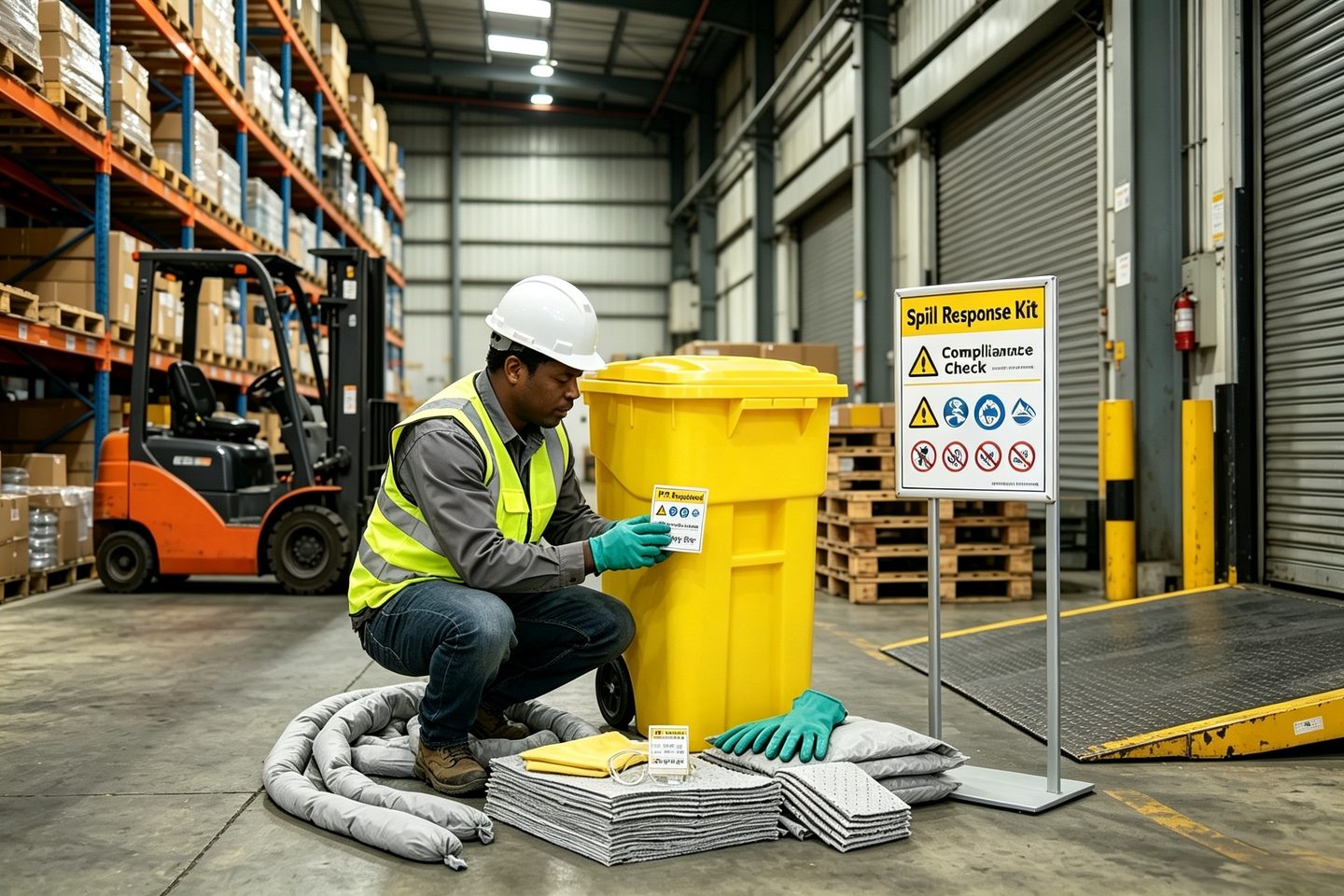
Warehousing and logistics facilities routinely store and transport large volumes of oils, coolants, and industrial chemicals. Even minor handling errors or undetected liquid leaks can trigger serious workplace injuries, on-site contamination, and costly regulatory violations. Without properly configured spill kits and safety protocols, logistics sites face avoidable safety hazards and ongoing compliance risks.
Why Warehouses Are High-Risk Zones for Chemical Spills
Warehouses and distribution centers are inherently high-risk zones for chemical and liquid spills. Continuous cargo handling, frequent mechanical equipment operation, and bulk liquid container storage create persistent leak hazards. Most costly spill incidents stem from overlooked daily risks rather than rare extreme emergencies.
The four most common spill sources across logistics and warehousing operations are listed below:
- Forklift battery charging stations: Undetected battery electrolyte leaks cause gradual corrosion and ground contamination, ranking as one of the most neglected warehouse spill hazards
- Loading docks and receiving bays: Rough loading and unloading, container collisions, and unstable stacking often crack 55-gallon drums and IBC totes, leading to sudden liquid spills
- Improper container storage: Unstable stacking and unregulated placement of liquid containers result in structural damage, liquid leakage, and potential chemical decomposition risks
- Aging equipment and pipelines: Worn valves, liquid transfer tools, and aging pipeline systems produce slow, persistent drips that accumulate into large-scale contamination over time
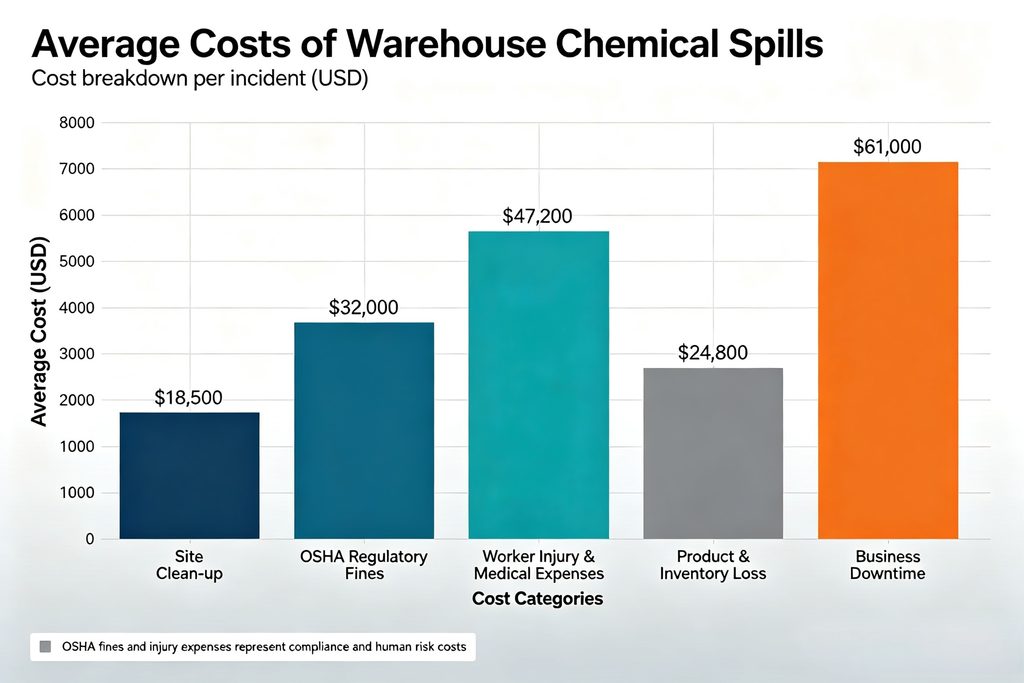
The Real Cost of Warehouse Spills
Small, untreated warehouse spills never remain isolated. Unaddressed liquid leaks rapidly escalate into multi-dimensional crises, bringing severe financial losses, operational disruptions, safety accidents, and reputational damage to logistics facilities.
- Financial Penalties: Failure to meet EPA SPCC, OSHA, and NFPA safety standards triggers substantial regulatory fines. Severe or repeated non-compliance may lead to mandatory facility shutdowns and forced rectification.
- Worker Injury Costs: Oil and chemical spills create slippery floor hazards, chemical burn risks, and toxic inhalation dangers. These incidents result in medical expenses, worker compensation claims, and reduced on-site productivity.
- Operational & Environmental Losses: Spills contaminate warehouse floors and soil, interrupt normal logistics workflows, and damage corporate environmental compliance credibility with clients and regulators.
- Real-World Case: On September 29, 2024, a devastating chemical fire and toxic release incident occurred at Bio-Lab Inc.’s Conyers, Georgia facility. The accident caused large-scale chemical decomposition and widespread smoke pollution. The 2026 final CSB investigation report verified that substandard chemical storage and inadequate on-site spill prevention systems were the direct causes.
Source: CSB Bio-Lab Inc. Conyers Fire and Chemical Release
Types of Spill Kits Needed in Logistics Centers
Logistics and warehousing operations primarily handle three liquid types: general mixed fluids, oil-based liquids, and corrosive hazardous chemicals.
Universal Spill Kits
Best for: General workplace spills, including coolants, solvents, water-based solutions, and all non-corrosive mixed liquids
Ideal locations: General warehouse storage zones, equipment maintenance areas, logistics transit zones, and office auxiliary areas
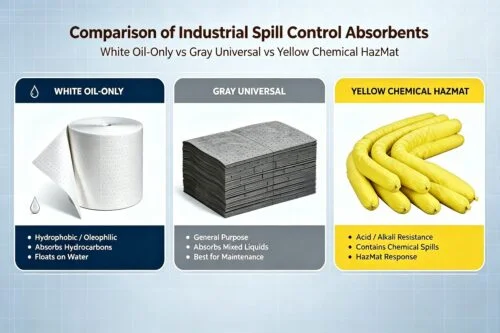
Also known as gray universal spill kits, these versatile all-purpose kits absorb nearly all non-corrosive industrial liquids. As the basic mandatory safety equipment for every logistics warehouse, they efficiently resolve routine drips, minor leaks, and daily workplace spills, preventing trivial hazards from escalating into major incidents.
Oil-Only Spill Kits
Best for: Pure oil-based spills, including hydraulic oil, machinery lubricants, diesel, and gasoline
Ideal locations: Forklift parking and maintenance zones, fuel storage areas, and loading equipment operation zones
The white oil-only spill kits adopt professional hydrophobic and oleophilic technology. They fully repel water while exclusively absorbing all hydrocarbon oil substances. This unique feature enables pure oil recovery without wasting absorbent materials, making them the optimal dedicated solution for mechanical maintenance and fuel storage spill management.
Hazmat Chemical Spill Kits
Best for: High-risk hazardous spills, including acidic, alkaline, and corrosive industrial chemicals
Ideal locations: Special chemical storage zones, forklift battery charging stations, and dangerous goods transit areas
Hazmat chemical spill kits are always in yellow color and they’re ideal for corrosive and toxic chemical spill emergencies. Equipped with chemical-resistant PPE, chemical-specific high-strength absorbents, and sealed disposal accessories, these kits effectively avoid worker chemical burns, toxic inhalation, and secondary environmental pollution. They fully comply with EPA, OSHA, and international hazmat response standards for high-risk warehouse areas.
Where Should You Place Spill Kits in a Warehouse?
Scientific spill kit placement directly improves emergency response efficiency. Here are some actionable list for Facility Managers (Prioritized):
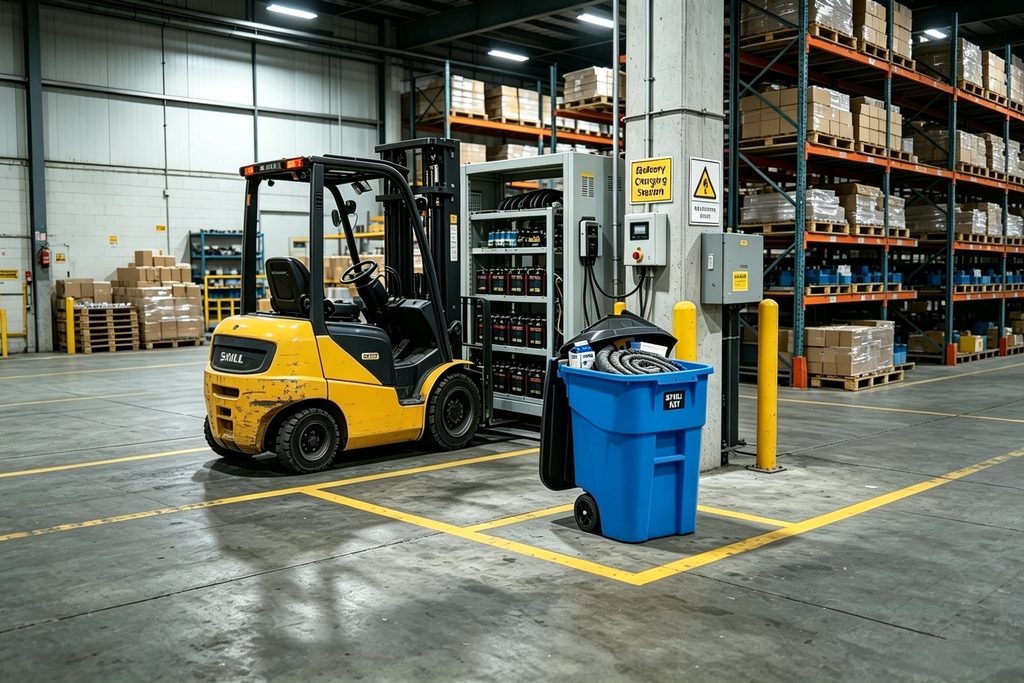
- Locate dedicated spill kits within 10‑second reach of chemical storage, forklift charging stations and loading docks – Cut emergency response time for highest‑risk spill areas
- Deploy universal spill kits in warehouse aisles and transit zone - Eliminate facility‑wide spill‑response blind spots
- Mount high‑visibility signs at all spill‑kit station – Enable fast staff access to emergency equipment during spills
- Carry out monthly checks; promptly swap out used/expired absorbents and PPE – Keep spill kits fully mission‑ready
Equipping your logistics facility with a targeted combination of UPQUARK spill kits enables your team to handle all spill scenarios, from routine coolant drips to aggressive corrosive chemical leaks, effectively preventing small hazards from escalating into major safety and compliance incidents.
How to Combine Spill Kits with Secondary Containment Measures
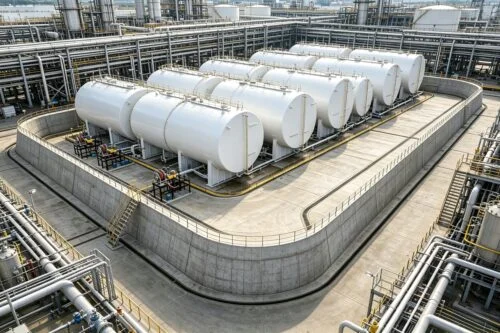
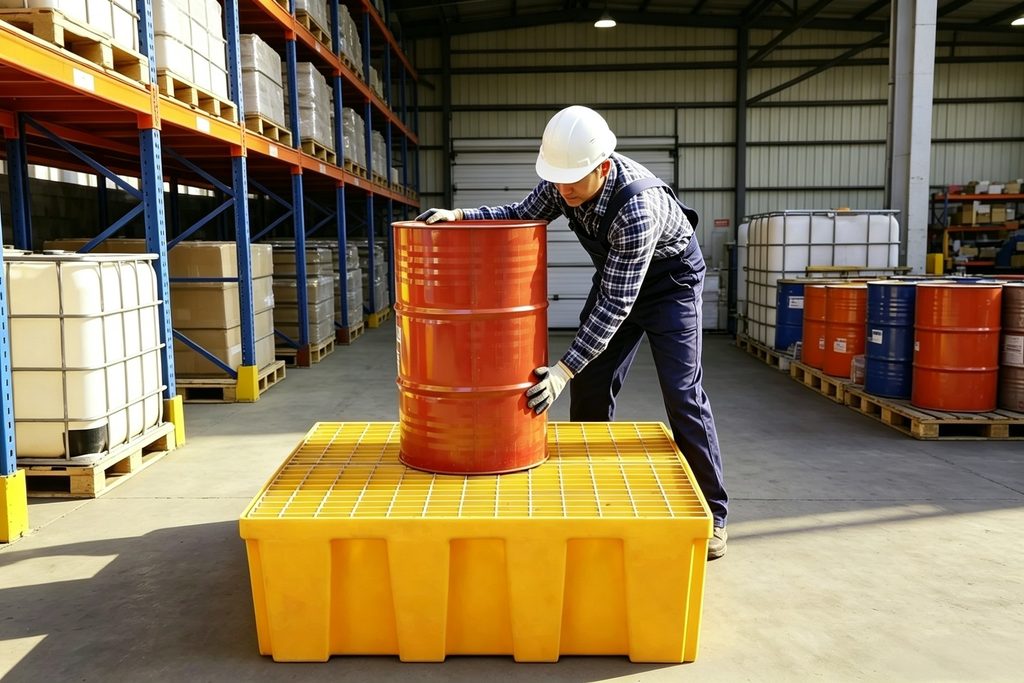
Professional industrial spill management adopts a dual-line safety defense system: passive secondary containment pallets for routine leak prevention and active spill kits for on-site emergency remediation, which fully complies with EPA SPCC standards and international industrial safety specifications. The synergistic combination of the two solutions enables full-cycle risk mitigation for liquid spills across diverse workplace scenarios.
- Warehouse Bulk Liquid Storage: Deploy heavy-duty secondary containment facilities to retain leaked oils and chemicals at the source; equip universal spill kits to quickly absorb and clean up scattered residual spills.
- Laboratory Benchtop Operation: Utilize compact secondary containment trays to intercept minor drips and small leaks; deploy chemical-grade spill kits to safely handle accidental spills of corrosive and hazardous liquids.
- Flammable Liquid Working Zones: Install high-temperature resistant secondary containment systems for stable leak isolation; adopt specialized spill kits tailored for flammable liquids to effectively control spill hazards and mitigate potential fire risks.
This comprehensive product portfolio builds a complete, compliant passive safety barrier for logistics facilities of all scales.
Conclusion: Choosing Reliable Spill Control Solutions
Spill kits are the essential first line of defense for logistics spill response. These pre-assembled, ready-to-use kits enable fast on-site spill containment and cleanup.TÜV certification verifies the kit meets strict German and international safety standards, confirming stable performance, hazard-free use and reliable spill-handling capacity. BV certification validates consistent manufacturing quality and full compliance with global industrial regulations. These two credible credentials rule out unqualified products, ensure effective containment of liquid spills, reduce workplace safety and environmental risks, and deliver long-term dependable protection for industrial operations.
All UPQUARK spill kits and spill containment pallets are pre-certified and factory-tested, ready for immediate on-site deployment without extra modification or setup. These turnkey spill control solutions help logistics facilities pass safety audits efficiently, reduce spill-related operational downtime, and maintain long-term regulatory compliance effortlessly.