Spill Control Solutions by Industry: Tailored Response & Compliance
Written by

Chem Fox
Publish on 13 Aug, 2026
Why Industry-Specific Spill Control Matters
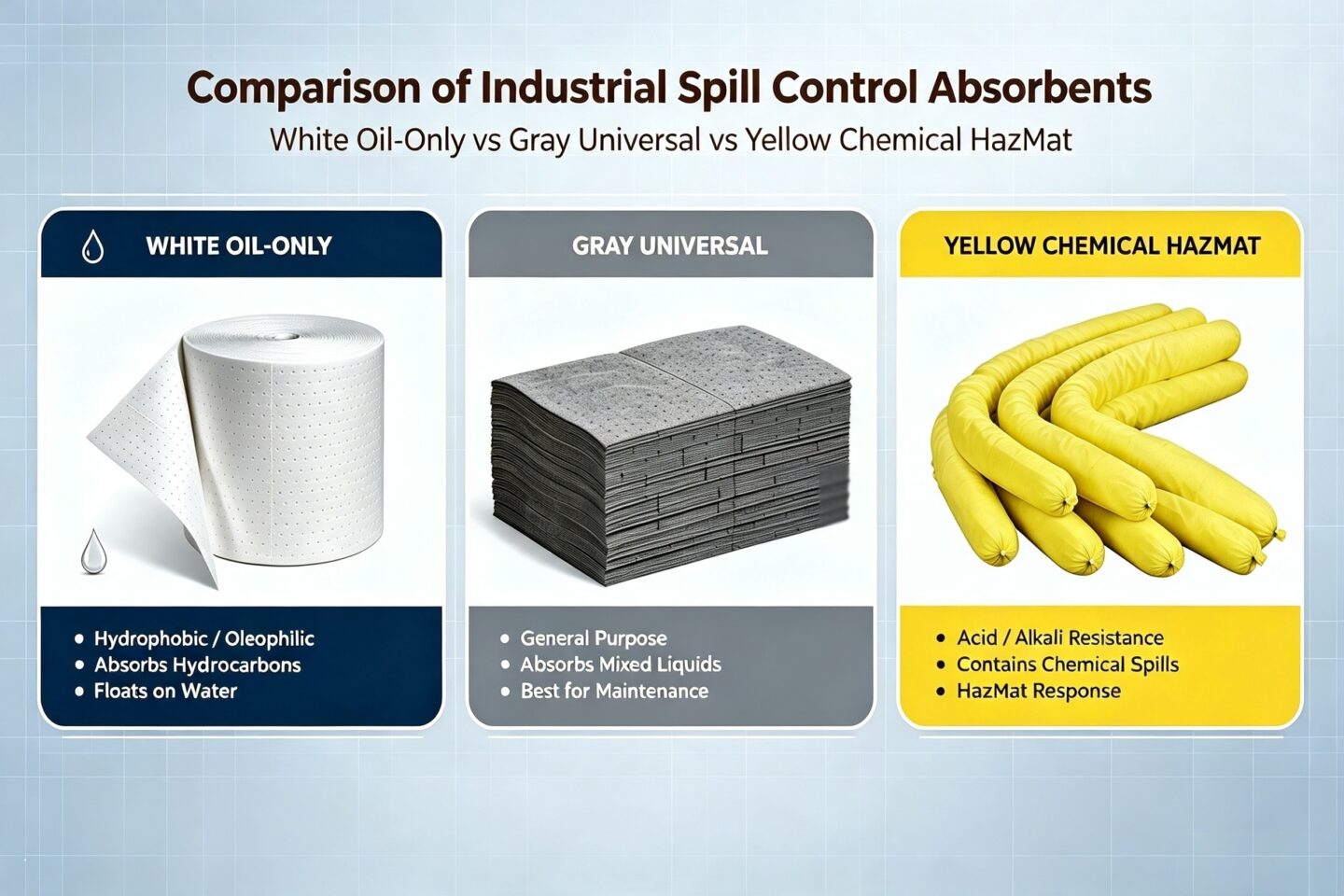
Generic spill kits and universal containment systems underperform in varied industrial environments, unable to fit each site’s chemical traits, spill volumes and separate regulatory rules. Spill control solutions must be customized to match a facility’s unique chemical polarity, liquid capacity and compliance mandates, as regulatory standards and operational needs differ widely across industries.
Countless oil and chemical spills take place yearly because businesses depend on generic spill management setups that lack customization. Industry-tailored spill control adjusts containment hardware, absorbent picks and response procedures to fit individual site demands, supporting steady regulatory compliance at all times.
Source: OSHA chemical exposure statistics
Quick-Reference Industry Spill Control Matrix
| Industry Sector | Primary Liquid Hazards | Preferred Absorbent Type | Critical Compliance Standard |
|---|---|---|---|
| Manufacturing & Assembly | Corrosive chemicals, solvents, machining oils, coolants | Universal gray absorbents, yellow HazMat sorbents | OSHA 1910.120 (HAZWOPER), EPA 40 CFR 264.175 |
| Oil, Gas & Petrochemical | Crude oil, refined fuels, flammable hydrocarbons, lubricants | White oil-only hydrophobic absorbents | EPA SPCC Rule (40 CFR Part 112), 110% secondary containment standard |
| Warehousing & Logistics | Fuel leaks, industrial coolants, mixed liquid spills, chemical drum leaks | Universal gray absorbents, portable spill kit assortments | EPA SPCC Rule, FMCSA Hazardous Materials Transportation Regulations |
| Marine & Ports | Vessel fuel spills, offshore hydrocarbon leaks, coastal chemical discharge | White floating oil-only absorbents, marine containment booms | NOAA Spill Response Protocols, USCG & EPA marine SPCC provisions |
Industry-by-Industry Spill Control Breakdown
Manufacturing & Processing Facilities
Spill-prone work zones
- Assembly lines: Regular exposure to mixed industrial fluids
- CNC machining floors: Persistent leaks of cutting oils and coolants
- Routine maintenance areas: Occasional small-scale liquid drips and spills
Limitation of generic absorbents
Standard absorbents break down quickly when contacting harsh manufacturing chemicals, leaving residual spills.
Matching absorbents to application scenarios
- Yellow HazMat sorbents: For corrosive acids, alkalis and unknown toxic chemicals
- Gray universal sorbents: For everyday mixed-liquid leaks during routine maintenance
Compliance & supporting containment:
Facilities follow OSHA HAZWOPER and EPA storage rules. Heavy-duty spill pallets stop liquid seepage under chemical drums and IBCs, while fixed decontamination workflows maintain audit-ready compliance all year.
Oil, Gas & Petrochemical Operations
Most oil and gas spill incidents stem from inadequate secondary containment systems and outdated on-site risk management practices.
- Core operational spill risks:Refineries, storage terminals, onshore and offshore drilling sites process large quantities of flammable petroleum hydrocarbons every day. Common leak sources include tank overflows, splashing during liquid transfers, and seepage from aging equipment.
- Root cause of most spill events: PHMSA(Pipeline and Hazardous Materials Safety Administration) records show the majority of industry spills arise from insufficient secondary containment and obsolete on-site risk management protocols.
- Consequences of unmanaged spills. Uncontrolled hydrocarbon releases may lead to severe fires, permanent environmental damage, recurring EPA financial penalties, and lengthy operational halts.
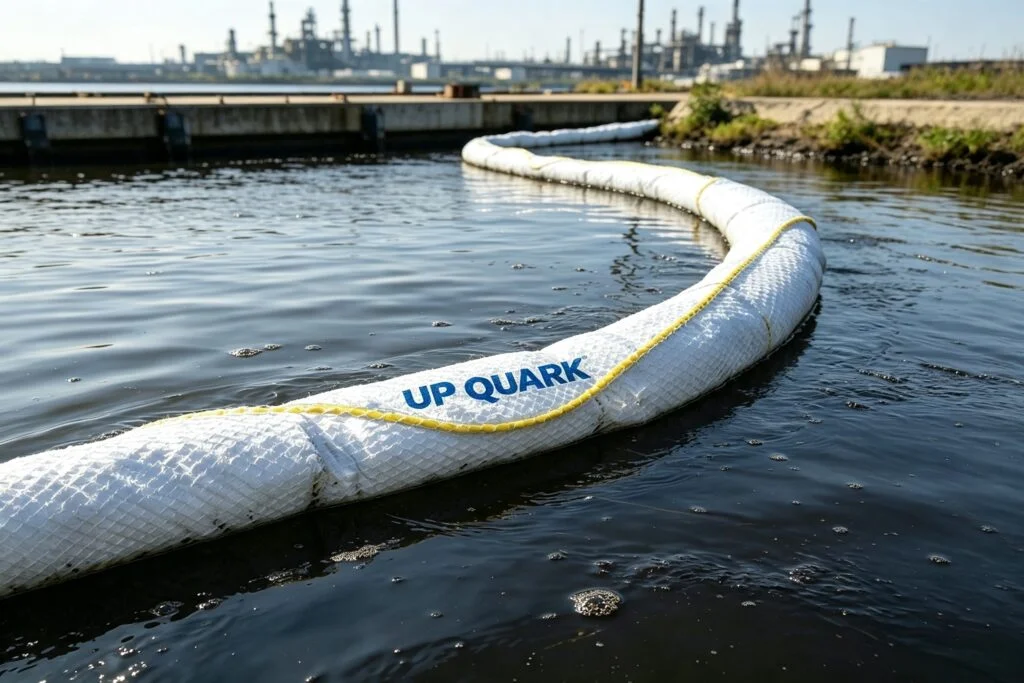
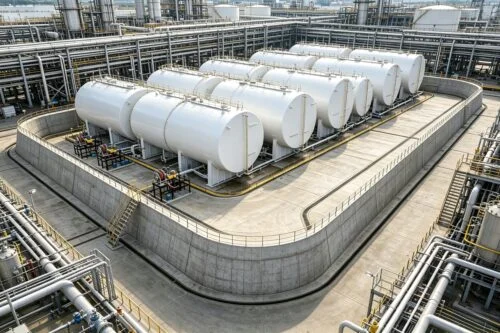
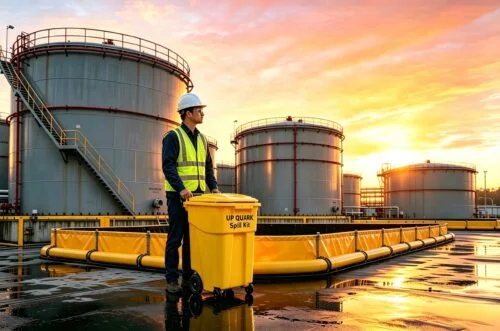
Oil‑gas facilities deploy layered active‑passive spill‑protection systems to manage risks. Oil‑only hydrophobic absorbents provide fast, residue‑free cleanup for fuel‑transfer operations, absorbing hydrocarbons and repelling water. Foldable berms, concrete dikes and certified spill pallets deliver round‑the‑clock passive fail‑safe protection, ensuring compliance and preventing major environmental spills
Discover how to size and specify berms and liners in our technical guide to “Secondary Containment for Oil & Gas”.
Warehousing & Logistics
- Unique operational spill characteristics: Warehousing, distribution, and fleet logistics differ from fixed industrial facilities, featuring mobile and unpredictable spill risks across dynamic work environments.
- High-risk zones and common spill types: Key vulnerable areas include loading docks, forklift charging stations, and temporary chemical storage zones, which frequently experience battery coolant leaks, fleet fuel spills, and chemical drum ruptures during transit, loading, and storage operations.
- Safety and regulatory impacts: U.S. highway hazardous material incident data confirms transit-related spills pose serious operational and compliance threats, resulting in workflow downtime, on-site slip hazards, and expensive FMCSA and EPA regulatory penalties.
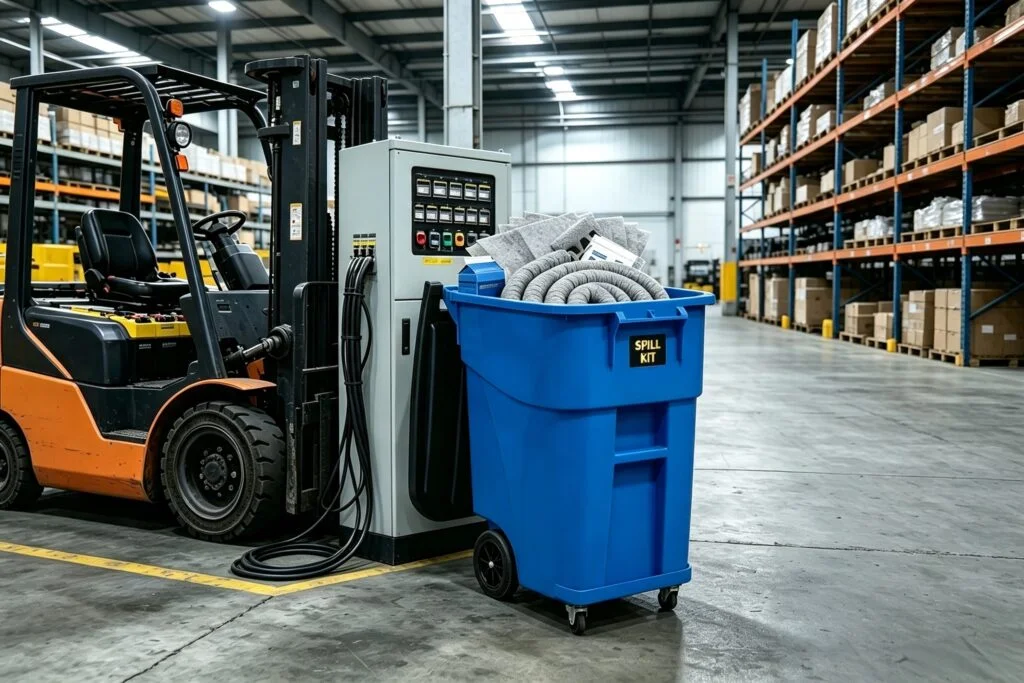
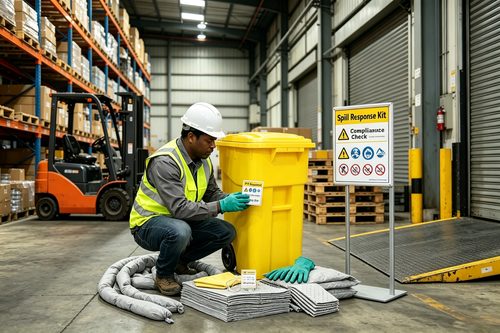
Fast, flexible, portable spill solutions are essential for fast-paced logistics environments to minimize operational disruption. Wheeled, all-in-one spill kit caddies enable instant on-site deployment for emergency spill cleanup. Heavy-duty spill pallets secure fixed drum and IBC storage zones for consistent SPCC compliance, while portable containment berms adapt seamlessly to temporary loading and unloading operations.
Universal gray absorbents are ideal for logistics use cases, safely absorbing mixed fuels, coolants, solvents, and water-based industrial liquids. Professional spill kits for Warehousing and Logistics come pre-equipped with premium absorbents, protective PPE, and dedicated disposal tools, fully compliant with EPA and SPCC standards for both on-site storage and cross-transit hazardous material handling.
Marine, Coastal & Port Facilities
- Unique marine spill risks and impacts: Dock fueling, vessel maintenance and coastal cargo transfers create high-risk waterborne spills with long-term ecological and economic impacts. Unlike land-based spills, marine hydrocarbon leaks spread rapidly on open water, threatening marine life, polluting shorelines, disrupting shipping operations, and damaging local fisheries and tourism. Uncontrolled marine spills can result in permanent environmental damage and billions in economic losses.
- Limitation of generic absorbents and professional alternatives: Standard absorbents are unsuitable for marine environments, as they absorb water and sink, failing to contain oil spills. Custom marine-grade oil-only absorbents adopt hydrophobic and oleophilic properties, repelling water while absorbing hydrocarbons and staying afloat after full saturation. Floating containment booms block spill expansion on open water, and reinforced dockside berms protect fuel transfer zones from shoreline contamination.
- Marine compliance and response standards: Professional marine spill response solutions strictly follow NOAA and USCG protocols. Customized spill control tools adapt to dynamic open-water scenarios, enabling rapid spill mitigation, minimizing ecological damage, and maintaining full marine SPCC compliance for port and coastal facilities.
Best Practices for Selecting and Implementing Spill Control
- Complete site-specific hazard mapping: Conduct comprehensive on-site assessments to document all hazardous materials, container capacities, liquid transfer zones, and environmental exposure risks. Update evaluations annually or immediately after facility layout changes to eliminate compliance blind spots.
- Match absorbents to exact liquid hazards: Deploy specialized absorbents based on hazard classification—oil-only absorbents for hydrocarbon spills, yellow HazMat absorbents for corrosive/toxic chemicals, and gray universal absorbents for mixed liquid leaks to prevent material failure and incomplete cleanup.
- Follow strict regulatory sizing rules: Adhere to the EPA 110% secondary containment rule for all oil and gas storage facilities. Meet OSHA HAZWOPER training and containment requirements for chemical processing sites to avoid audit failures and regulatory fines.
- Layer active and passive containment systems: Build a fail-safe dual-protection framework by combining permanent passive barriers (berms, dikes, spill pallets) for 24/7 preventive containment with portable active spill kits for emergency incident response.
- Execute scheduled compliance inspections: Perform weekly visual checks of containment infrastructure for tears, corrosion, and debris buildup. Conduct quarterly formal compliance audits and annual containment capacity recalculations to sustain full functional integrity.
- Maintain detailed compliance records: Systematically retain inspection logs, capacity calculation reports, maintenance records, and staff training documentation to streamline EPA and OSHA regulatory audits and verify continuous compliance.
- Train staff for fast, standardized response: Equip all operational and safety team members with role-specific spill mitigation skills, PPE usage protocols, and emergency response procedures to shorten response time and minimize spill severity.
In Conclusion
Effective industrial spill control is strictly industry-specific, not universal. Generic spill equipment cannot accommodate unique chemical hazards, dynamic operational environments, and the increasingly stringent 2026 EPA and OSHA compliance standards. Over-reliance on one-size-fits-all spill solutions causes preventable spill incidents, costly daily regulatory fines, facility downtime, and irreversible ecological damage.
Selecting compatible absorbent materials is only the first step in comprehensive spill risk management. True regulatory compliance and robust risk protection require customized hazard assessments, layered engineered containment infrastructure, and standardized response protocols fully tailored to your industry’s distinct operational risks. Read our complete guide to “Industry-Specific Spill Solutions” to build a fully audit-ready, risk-resistant spill control system for your facility.