Industry-Specific Spill Solutions: Compliance & Risk Guide
Written by

Chem Fox
Publish on 07 Aug, 2026
For industrial facilities, the difference between a minor spill cleanup and a $50,000+ EPA violation hinges entirely on industry-specific spill solutions.
Industry-specific spill containment solutions are custom-engineered to address unique workplace spill risks. Off-the-shelf spill kits are not universally effective and often underperform during releases of highly corrosive chemicals or large-volume crude oil spills.
Site operators face strict regulatory obligations under EPA 40 CFR Part 112 and OSHA 1910.120, which mandate robust spill preparedness measures. Reliance on generic spill supplies may lead to non-compliance, environmental contamination and costly incidents.
This article explores how high-risk industries, spanning oil & gas, chemical processing and maritime logistics, can complete thorough operational risk assessments. Learn how to deploy foolproof, regulation-aligned spill control systems matched to your site’s specific hazards.
This comprehensive guide explores tailored spill risks, 2026 compliance requirements, and practical spill mitigation strategies to help industrial businesses eliminate preventable spill incidents.
Why Spill Response Cannot Be "One-Size-Fits-All"
Most industrial facilities rely on universal spill kits and generic containment systems, assuming one-size-fits-all tools can resolve all chemical leaks and spills. This common misconception leads to widespread avoidable environmental damage and massive financial losses across high-risk industries. Built only for low-risk general scenarios, generic spill response tools cannot accommodate the unique chemical properties, variable spill volumes, and harsh operational environments of industrial sites, making customized spill containment solutions indispensable.
Spill hazards differ greatly by industry. Oil and gas sites deal with large-volume flammable hydrocarbon spills, while chemical plants handle corrosive, toxic, and cancer-causing substances. Logistics and maritime operations face flexible, unpredictable spill risks in open and changing environments, unlike fixed factory facilities. Underestimating chemical hazards or using mismatched containment barriers frequently leads to total system failure.
Poor, generic spill protection leads to severe, long-term consequences. Since 1993, over 30,000 oil and chemical spills have occurred annually across the United States, ranging from hidden small leaks to large-scale industrial disasters. These incidents result in various enviromental issues and dieases.
Financially, containment failures bring devastating losses. The 2010 BP Deepwater Horizon oil spill caused more than $65 billion in total damages and 11 worker deaths. The 2025 Houston sulfuric acid spill at BWC Terminals released 1 million gallons of hazardous materials, resulting in over $120 million in cleanup fees, regulatory fines, and lost productionThese real cases prove that generic spill strategies cannot address sector-specific hazards effectively.
(Source: Work Injury Costs Report & Chemical Spills Research Report)
High-Risk Industries & Their Unique Spill Profiles
Every high-risk industry has unique spill characteristics, including distinct chemical types, release volumes, working environments, and hazard levels. Customized containment and response solutions are essential to match these specific risks and ensure full safety and compliance.
Oil & Gas Production and Processing
Primary Hazards: This industry faces large spills of crude oil, refined fuels, lubricants, and flammable hydrocarbon mixtures. Spills commonly happen during drilling, production, storage, and transportation. Offshore spills pollute open water and damage marine ecosystems, while onshore leaks cause soil and groundwater contamination, fire, and explosion risks. Aging site infrastructure further increases daily leak and spill chances.
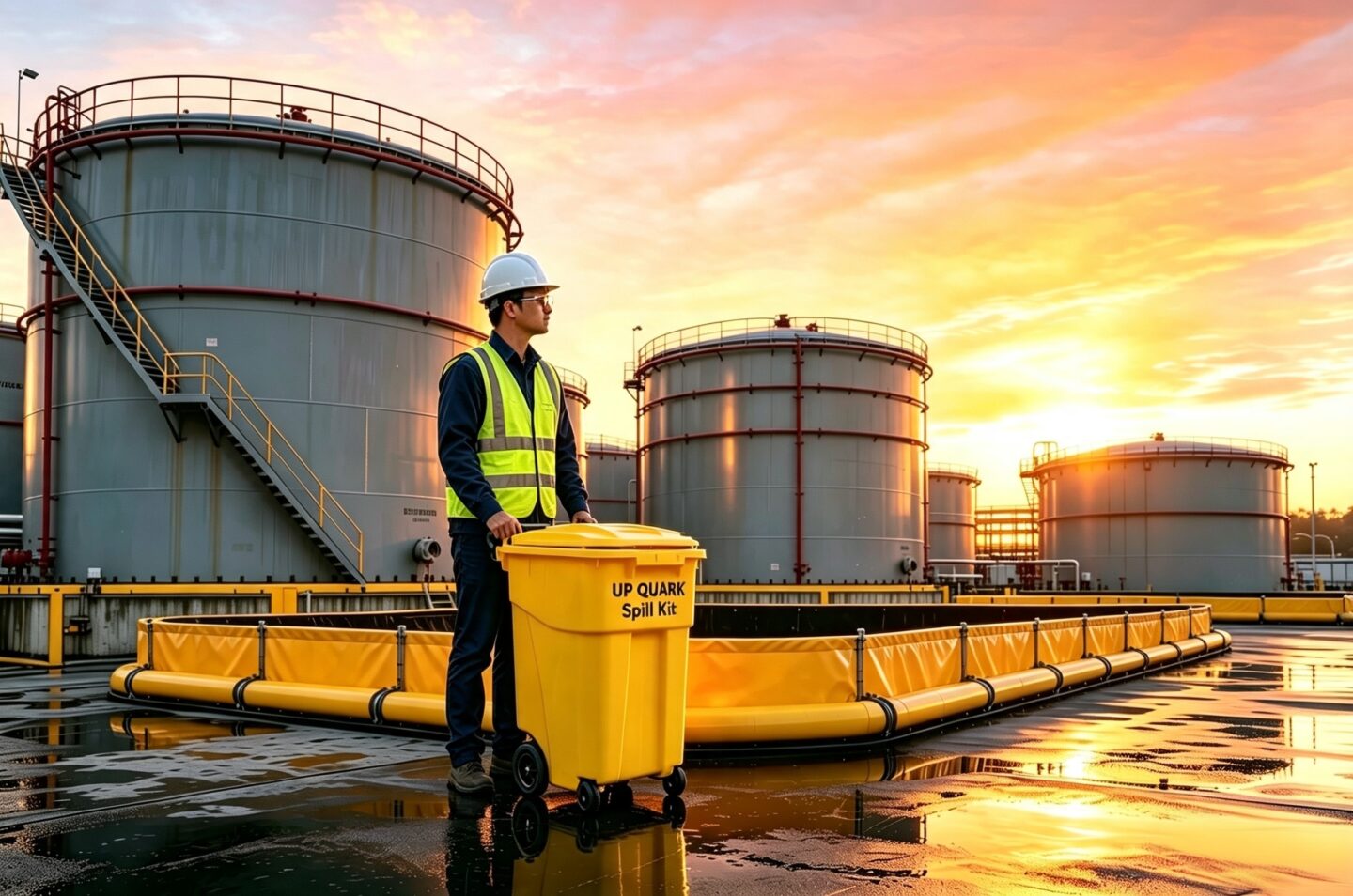
Core Solutions: Flexible spill containment berms serve as the primary protection for oil and gas sites. These adjustable, easy-to-deploy berms provide large-scale, leak-proof containment for tanks, transfer stations, and drilling zones, stopping hydrocarbon spread on land and water. Paired oil-only Absorbent pads and rolls absorb oil while repelling water, enabling efficient cleanup in marine and wet working areas. Fire-resistant containment systems are also vital to control flammable liquid spill risks.
Chemical Manufacturing & Processing
Primary Hazards: Chemical manufacturing sites process corrosive acids, alkaline liquids, toxic solvents, and carcinogenic compounds. Spills and gas leaks cause immediate worker harm, including dizziness, skin irritation, and respiratory failure, as well as long-term disabilities and fatal illnesses. Even minor leaks can contaminate soil and groundwater for decades, harming local ecosystems and public health. Improper chemical storage and tank rupture are the top causes of hazardous releases.
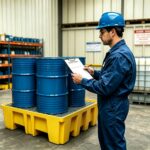
Core Solutions: Chemical facilities need corrosion-resistant secondary containment systems built for toxic and aggressive substances. Heavy-duty spill containment pallets with seamless, impermeable surfaces prevent leaks from chemical drums and storage tanks. Specialized hazmat Absorbent pads, socks, and pillows safely contain and neutralize chemical spills, while standardized decontamination procedures eliminate cross-contamination risks for staff and equipment.
Warehousing, Logistics & Fleet Transport
Primary Hazards: Warehousing, logistics, and fleet transport face unpredictable, mobile spill risks from fuel leaks, chemical drum spills, and coolant release during transit, loading, and storage. Highway and rail hazardous material incidents pose serious public threats: between 1994 and 2005, U.S. highway chemical spills caused 116 deaths, far more than rail-related fatalities. Aging transport infrastructure continues to raise spill risks for all cargo and fleet operations.
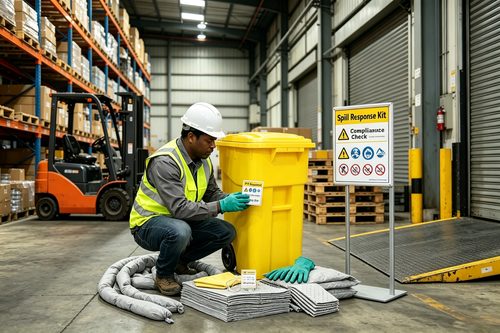
Core Solutions: Mobile spill containment pallets and compact emergency spill kits support fast on-site response for fleet vehicles and loading zones. Centralized secondary containment areas in warehouses ensure fixed-site compliance, while flexible spill berms suit temporary loading and unloading work. Universal Absorbent materials handle mixed spills of fuel, coolant, and water-based industrial liquids for full logistics site protection.
Maritime & Dockside Operations
Primary Hazards: Dock and maritime operations face spills from ship fuel transfers, cargo chemical leaks, and vessel collisions. These spills pollute coastal waterways, kill marine life, close fishing grounds, disrupt shipping routes, and damage local tourism economies. Major historical incidents, including the Exxon Valdez and Gulf War oil spills, killed hundreds of thousands of marine creatures and left permanent damage to coastal habitats.
Core Solutions: Marine-grade oil-only Absorbents and floating containment booms trap and remove oil spills from water surfaces. Large-capacity spill containment berms secure dockside cargo transfer zones to prevent shoreline pollution. Fast-response cleanup protocols aligned with NOAA guidelines minimize long-term marine ecosystem damage after spills.
Regulatory Compliance Matrix by Sector
U.S. federal authorities strictly regulate industrial spill containment, with sector-specific standards defining mandatory containment, inspection, and emergency response rules. Non-compliance leads to tiered fines, operational shutdowns, and legal liability. The table below summarizes core regulatory requirements for high-risk industries:
| Industry Sector | Primary Regulatory Body | Key Standard / Code | Core Containment Requirement |
| Oil & Gas | EPA, NOAA | SPCC Rule (40 CFR Part 112), NOAA Spill Response Protocols | Secondary containment must hold 110% of the largest tank volume (including rainfall freeboard); mandatory routine inspections and emergency response planning for offshore/onshore facilities |
| Chemical Manufacturing | OSHA, EPA | OSHA 1910.120 (HAZWOPER), 40 CFR 264.175 | Chemically impermeable secondary containment; role-based worker safety training, medical surveillance, and formal decontamination procedures |
| Warehousing & Logistics | EPA, FMCSA | SPCC Rule, Hazardous Materials Transportation Regulations | Centralized drum/tank containment zones; mobile emergency spill kits; regular containment system maintenance and compliance documentation |
| Maritime & Dockside | NOAA, EPA, USCG | Coastal Spill Response Standards, SPCC Marine Provisions | Marine-specific spill containment equipment; pre-approved emergency response plans for waterway contamination; post-spill natural resource damage assessment |
Federal regulation continues to tighten in 2026. The EPA’s “Compliance First” policy prioritizes proactive spill prevention over penalty issuance. Inspectors now focus on properly sized secondary containment, updated maintenance logs, and verified spill response readiness. Facilities can refer to the example in “2026 EPA secondary containment requirements” to avoid increased fines and operational disruptions.
Core Technologies in Modern Spill Containment
Primary vs. Secondary Containment Systems
Effective spill prevention relies on dual-layer protection: primary and secondary containment systems. Primary containment includes tanks, drums, and vessels that directly store hazardous materials, acting as the first line of defense against leaks. However, primary systems are vulnerable to corrosion, rupture, and human error, making secondary containment absolutely essential.
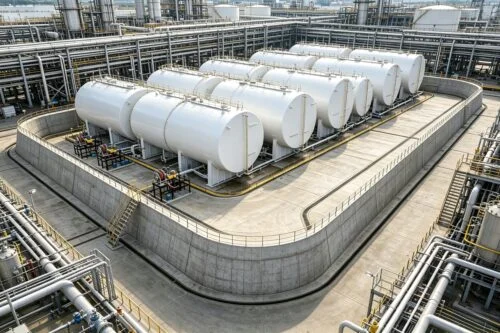
Secondary containment serves as the final safety barrier, capturing spills from primary system failures to stop environmental contamination. Compliant heavy-duty spill containment pallets and berms meet EPA SPCC standards with leak-proof, chemical-resistant construction, 110% volume holding capacity, and UV resistance for indoor and outdoor use. Unlike temporary cleanup tools, sturdy secondary containment systems stop catastrophic spills before they occur.
Absorbent Selection: Universal, Oil-Only, and Hazmat
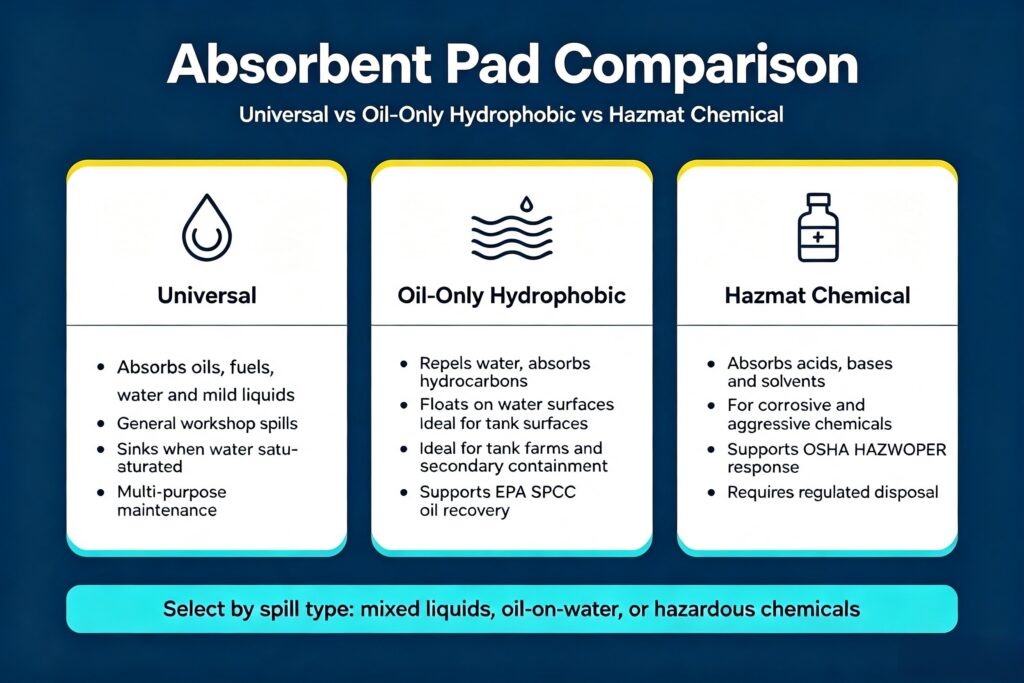
Choosing the right Absorbent Absorbents is critical for safe, compliant spill cleanup.Premium industrial Absorbent pads, rolls, and socks deliver fast, reliable spill control for all industrial scenarios. These high-performance Absorbents instantly trap and lock spilled liquids to stop contamination spread, streamline site cleanup, and eliminate residual hazardous residue, helping industrial facilities maintain full regulatory compliance and workplace safety. Modern industrial Absorbents fall into three core categories for fast, effective spill response:
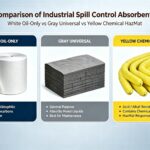
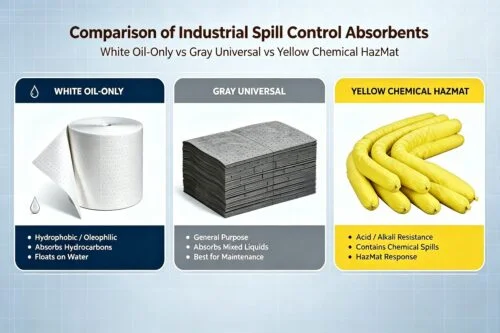
- Oil-Only Absorbents (White): Hydrophobic and oleophilic, these pads, rolls, and socks absorb all oil-based fuels and hydrocarbons while repelling water. Ideal for maritime, dockside, and outdoor oil spill cleanup.
- Universal Absorbents (Gray): Versatile solutions for oils, coolants, solvents, and water-based fluids, suitable for general industrial and logistics spill scenarios.
- Hazmat Chemical Absorbents (Yellow): Engineered for aggressive corrosive acids, bases, and unknown hazardous chemicals. The bright yellow color provides clear safety warning signage for high-risk chemical spills.
Automated Monitoring & Early-Warning Sensors
Modern spill protection combines physical containment with proactive risk monitoring. Automated leak detection sensors connect to storage tanks, pipelines, and containment zones to spot small leaks in real time before they escalate into major spills. Sensors send instant alerts to safety teams for immediate mitigation, eliminating unreported long-term leaks that cause cumulative environmental damage. Combined with regular manual inspections, sensors build a 24/7 spill risk prevention system for high-hazard facilities.
How to Evaluate & Choose the Right System for Your Facility
Selecting a compliant, high-efficiency spill control system requires systematic, site-specific evaluation. Follow this step-by-step checklist to fix compliance gaps and control unique operational risks:
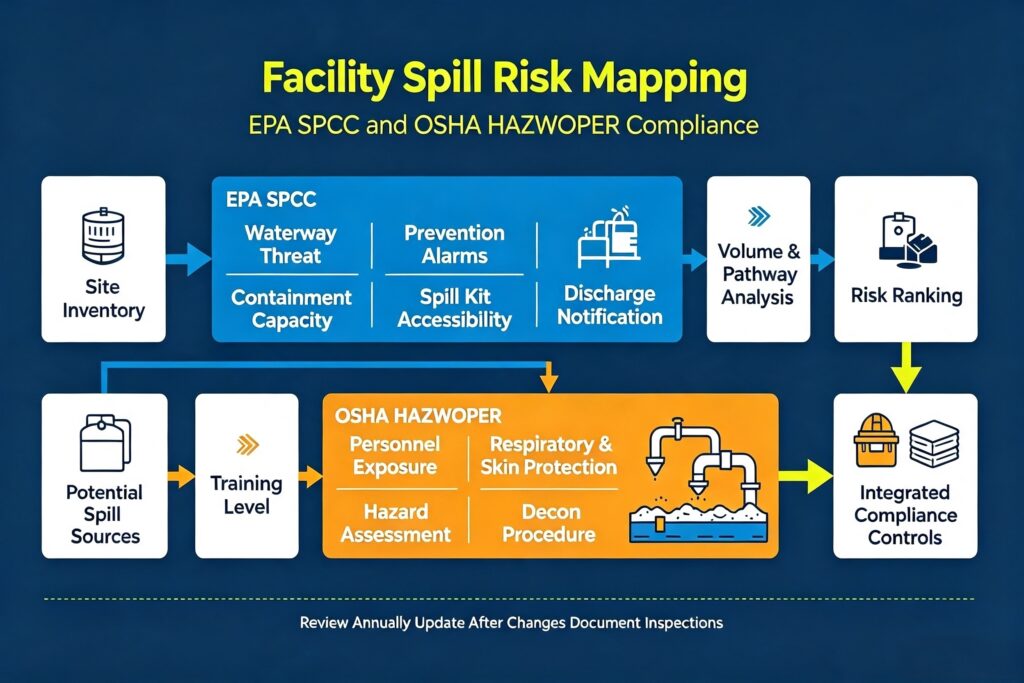
- Conduct a Full Hazard Assessment: Map all on-site hazardous materials, storage volumes, transfer points, and operational environments to identify sector-specific spill risks and required containment capacities.
- Verify Regulatory Alignment: Cross-reference facility operations with 2026 EPA SPCC and OSHA HAZWOPER standards to ensure containment systems meet mandatory sizing, material, and inspection requirements.
- Select Chemically Compatible Equipment: Match containment materials and Absorbents to your facility’s specific chemicals to avoid barrier failure and contamination spread.
- Implement Preventive Maintenance Protocols: Schedule monthly inspections of secondary containment systems to address corrosion, wear, and structural damage before failures occur.
- Train On-Site Personnel: Provide role-based spill response training aligned with OSHA requirements to ensure fast, compliant emergency mitigation.
- Partner with Certified Manufacturers: Collaborate with TÜV & BV-tested spill control manufacturers to access industry-certified, ESG-compliant solutions and professional compliance guidance.