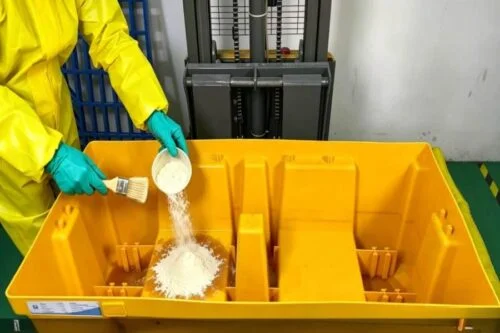
CEPA 1999 Compliance Checklist: Complete Regulations Guide for Industrial Facilities
Written by

Chem Fox
Publish on 27 Jul, 2026
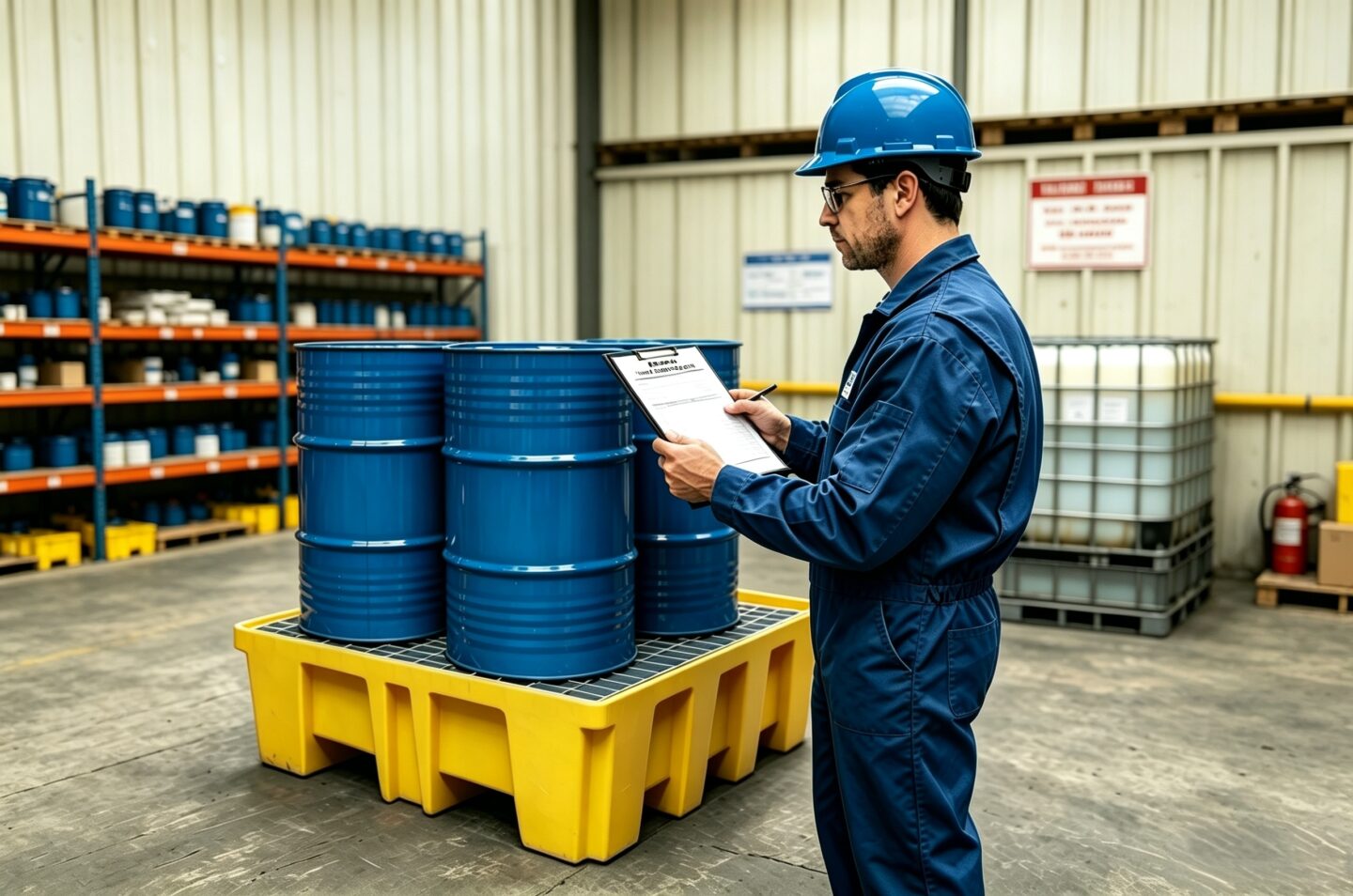
Canadian industrial facilities handling chemicals, fuels, and industrial waste are facing a pivotal regulatory shift in 2026. On June 30, 2026, Canada’s revised Prohibition of Certain Toxic Substances Regulations officially came into force, marking one of the most impactful updates to the Canadian Environmental Protection Act, 1999 (CEPA 1999) in over a decade.
The regulation establishes stringent regulatory controls over hazardous substances including PFAS, DP, DBDPE, HBCD and PBDE, imposing tighter limits on their domestic production, importation and industrial application. Non-compliance with statutory chemical management and on-site protection requirements can trigger trade barriers, product prohibitions, environmental sanctions, supply chain removal and legal accountability. This CEPA 1999 compliance checklist serves as a standardized verification tool for enterprises conducting chemical inventory reassessment, secondary protection system validation and site-wide compliance reviews, enabling proactive gap remediation and ensuring full facility compliance with Canadian environmental regulations.
What Is CEPA 1999 and Why It Matters for Industrial Safety
Enacted to protect Canada’s natural environment and public health, the Canadian Environmental Protection Act, 1999 (CEPA 1999) serves as the cornerstone of federal environmental regulation for industrial operations nationwide. Its primary goal is to prevent and manage pollution, control toxic substance release, and enforce consistent environmental protection rules for industrial facilities, manufacturers, and chemical handlers.
Recent CEPA modernization has further elevated regulatory standards by embedding the “right to a healthy environment” into federal law. This key update mandates facilities to adopt proactive pollution prevention measures rather than reactive remediation. Additionally, the revised framework introduces a formal ECCC Watch List system for emerging toxic substances, strengthens Section 71 information disclosure rules, and tightens enforcement for secondary containment and environmental emergency (E2) compliance. For industrial sites, non-compliance now carries higher penalties, stricter audits, and increased operational scrutiny.
The 5-Point CEPA 1999 Compliance Checklist for EHS Managers
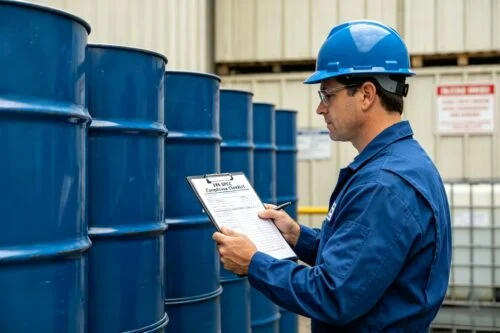
To simplify CEPA 1999 adherence amid evolving regulations, we’ve compiled a actionable 5-step compliance checklist covering toxic substance oversight, regulatory reporting, emergency preparedness, spill containment, and ongoing regulatory monitoring.
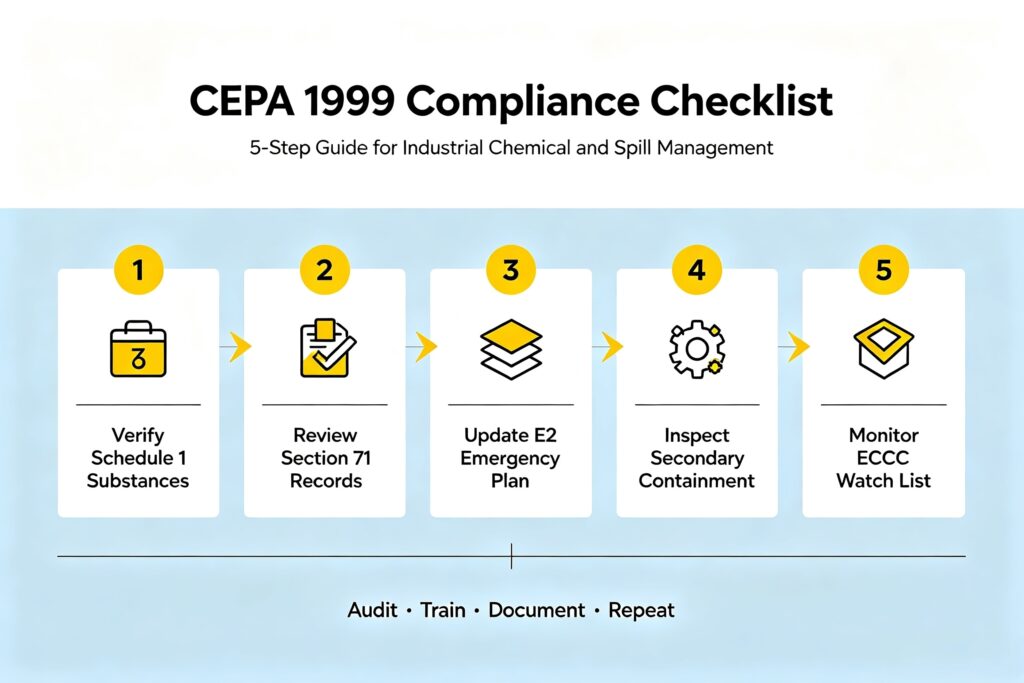
1. Verify Chemicals Against the Schedule 1 Toxic Substances List
Schedule 1 of CEPA 1999 outlines all federally classified toxic substances subject to strict usage, storage, and release limits. Facilities must conduct regular inventory audits to cross-verify all on-site chemicals, solvents, fuels, and industrial materials against this official list.
Key compliance steps include: removing or restricting high-risk scheduled substances, updating material safety data sheets (MSDS) for all regulated chemicals, and training on-site teams on handling and storage protocols for toxic materials. Any unregistered use or improper storage of Schedule 1 substances directly violates CEPA 1999 regulations.
2. Ensure Section 71 Information Gathering Compliance
CEPA 1999 Section 71 enforces mandatory information disclosure and data reporting requirements for industrial facilities. The regulation empowers Environment and Climate Change Canada (ECCC) to request detailed data on chemical usage, pollutant emissions, waste disposal, and potential environmental risks at any time.
To maintain compliance, facilities must establish standardized record-keeping systems for all chemical transactions, emissions data, and waste management activities. All documentation must be accurate, up-to-date, and readily accessible for regulatory inspections. Incomplete or delayed reporting is a common CEPA violation that triggers formal penalties.
3. Comply with Environmental Emergency (E2) Regulations
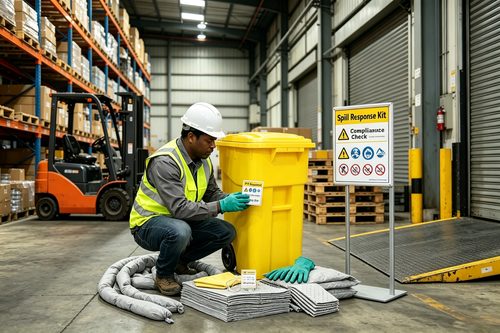
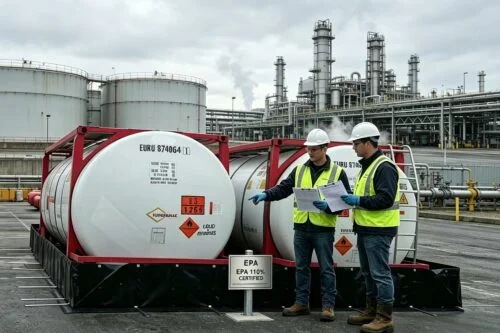
The E2 Regulations under CEPA 1999 mandate all industrial facilities handling hazardous materials to develop, document, and test formal environmental emergency response plans. These plans must cover spill response, toxic substance release mitigation, drainage control, and on-site emergency protocols for chemical leaks or equipment failures.
Compliant facilities must conduct regular emergency drills, update response protocols annually, and ensure all staff are trained in E2 emergency procedures. The 2026 regulatory update further requires facilities to document cumulative risk mitigation measures for high-volume chemical storage zones.
4. Implement Robust Secondary Containment (Actionable Steps)
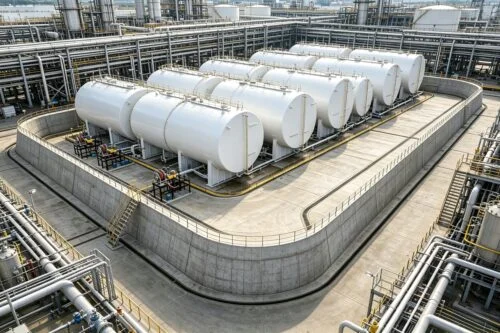
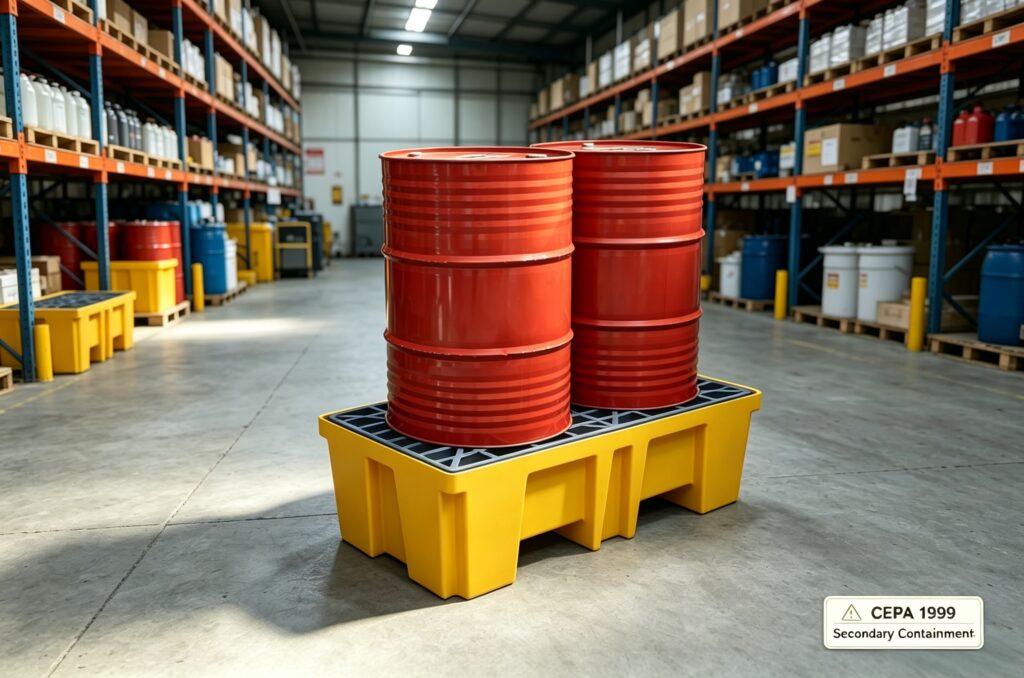
Secondary containment is a core mandatory requirement of modern CEPA 1999 compliance, designed to prevent chemical spills, leaks, and runoff from contaminating soil, waterways, and public drainage systems. All facilities storing drums, bulk chemicals, or fuel equipment must deploy reliable secondary containment solutions for temporary and permanent storage zones.
Key actionable compliance steps: Eliminate unprotected chemical storage areas; deploy dedicated containment systems for drum stations and small equipment leak points; install drain protection to block spilled materials from entering public drainage; and conduct daily visual inspections of containment infrastructure for damage or leakage risks.
5. Monitor the ECCC "Watch List" for Emerging Toxic Substances
A major component of the 2026 CEPA modernization is the official ECCC Watch List, a dynamic registry of emerging substances suspected of toxic, persistent, or bioaccumulative risks. Unlike Schedule 1 substances (formally regulated), Watch List materials are under active government assessment and may be added to formal toxic substance regulations at any time.
EHS teams must routinely monitor and audit the ECCC Watch List to identify newly flagged substances relevant to on-site operations. While the official ECCC Watch List webpage failed to load for detailed real-time data review, industry best practices mandate monthly compliance checks of the official registry. Proactive monitoring enables facilities to adjust material procurement and usage protocols early, update operational risk assessments, and avoid sudden non-compliance penalties when new toxic substance restrictions are officially enacted.
Upquark Spill Containment Solutions for CEPA Compliance
Reliable secondary spill containment is the foundation of CEPA 1999 E2 regulation compliance. Upquark’s reusable, chemical-resistant containment solutions are engineered to meet Canadian industrial regulatory standards, helping facilities eliminate spill risks and pass regulatory inspections seamlessly. Our core CEPA-compliant product lineup includes:
- Spill Containment Pallets
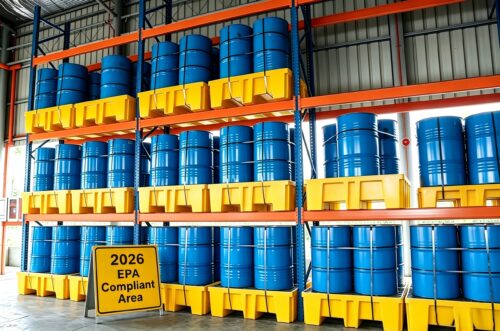
Heavy-duty spill containment pallets provide stable, code-compliant secondary containment for multi-drum chemical and fuel storage. Designed for warehouse and industrial facility use, these pallets prevent leakage from damaged drums or equipment, fully meeting CEPA’s secondary containment requirements for bulk hazardous material storage zones.
- Flexible Spill Containment Berms
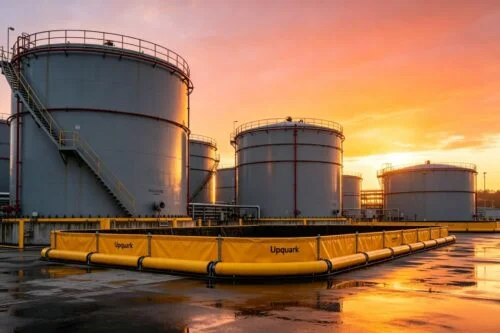
Upquark’s flexible spill containment berms are purpose-built for fast, tool-free emergency spill response and space-saving long-term storage. Manufactured with premium chemical-tolerant materials, these reusable berms safely hold oils, fuels, industrial solvents, and common hazardous liquids used in Canadian manufacturing facilities. Featuring a durable one-piece leak-proof structure, they can be fully cleaned and reused repeatedly after incidents. A key design advantage is the foam sidewall construction, which allows light carts and service vehicles to drive over the berms without causing tears or structural damage, delivering exceptional flexibility for daily facility operations and temporary material transfer tasks.
The full flexible containment lineup covers diverse industrial scenarios to meet varied CEPA compliance needs. The Mini Folding Berm suits compact work zones and small-scale spill control with ultra-portable folding storage. The Flexible Spill Deck is optimized for dedicated chemical drum storage areas, serving as reliable secondary containment for stationary hazardous material stations. The Flexible Utility Tray targets minor equipment drips and small leaks, perfect for precision risk prevention. All models support custom sizing to match unique facility layouts and operational requirements.
- Drain Protection Covers
Functional drain protection is critical to CEPA compliance, as spilled hazardous materials entering public drains result in severe regulatory violations and irreversible environmental harm. Upquark’s drain protection covers provide a robust, reusable barrier for facility drains, effectively blocking chemical spills, residual leaks, and contaminated washdown runoff from entering municipal water systems. Designed for frequent industrial use and regular facility cleaning workflows, these seals fit square drains up to 122cm and resist most common industrial chemicals including oils, fuels, and solvents.
A standout feature of the drain cover seals is their flexible, tacky underside, which tightly adheres to uneven, cracked, or rough drain surfaces to maintain a complete leak-proof seal. Easy to clean and store flat in dry, shaded conditions, they deliver long-term cost savings and consistent CEPA E2 regulatory compliance for all industrial spill response plans.
Frequently Asked Questions About CEPA 1999 Compliance
What happens if a facility violates CEPA 1999?
CEPA 1999 violations result in significant legal and operational consequences, including substantial financial fines, mandatory facility audits, temporary operational shutdowns, and permanent regulatory penalties for repeated offenses. Severe violations involving large-scale toxic release or environmental damage may also lead to legal liability for facility management teams. The 2026 regulatory update further increases penalty severity for negligent non-compliance.
Does CEPA 1999 require secondary containment?
Yes. Secondary containment is a mandatory requirement under CEPA 1999’s Environmental Emergency (E2) Regulations for all facilities storing, handling, or transferring hazardous chemicals, fuels, and toxic substances. Regulators explicitly require engineered containment systems to prevent accidental spills and leaks from causing environmental contamination, making compliant spill containment infrastructure a non-negotiable part of industrial EHS management.