2026 EPA SPCC Compliance Checklist: Is Your Facility Fully Prepared?
Written by

Chem Fox
Publish on 15 Jun, 2026
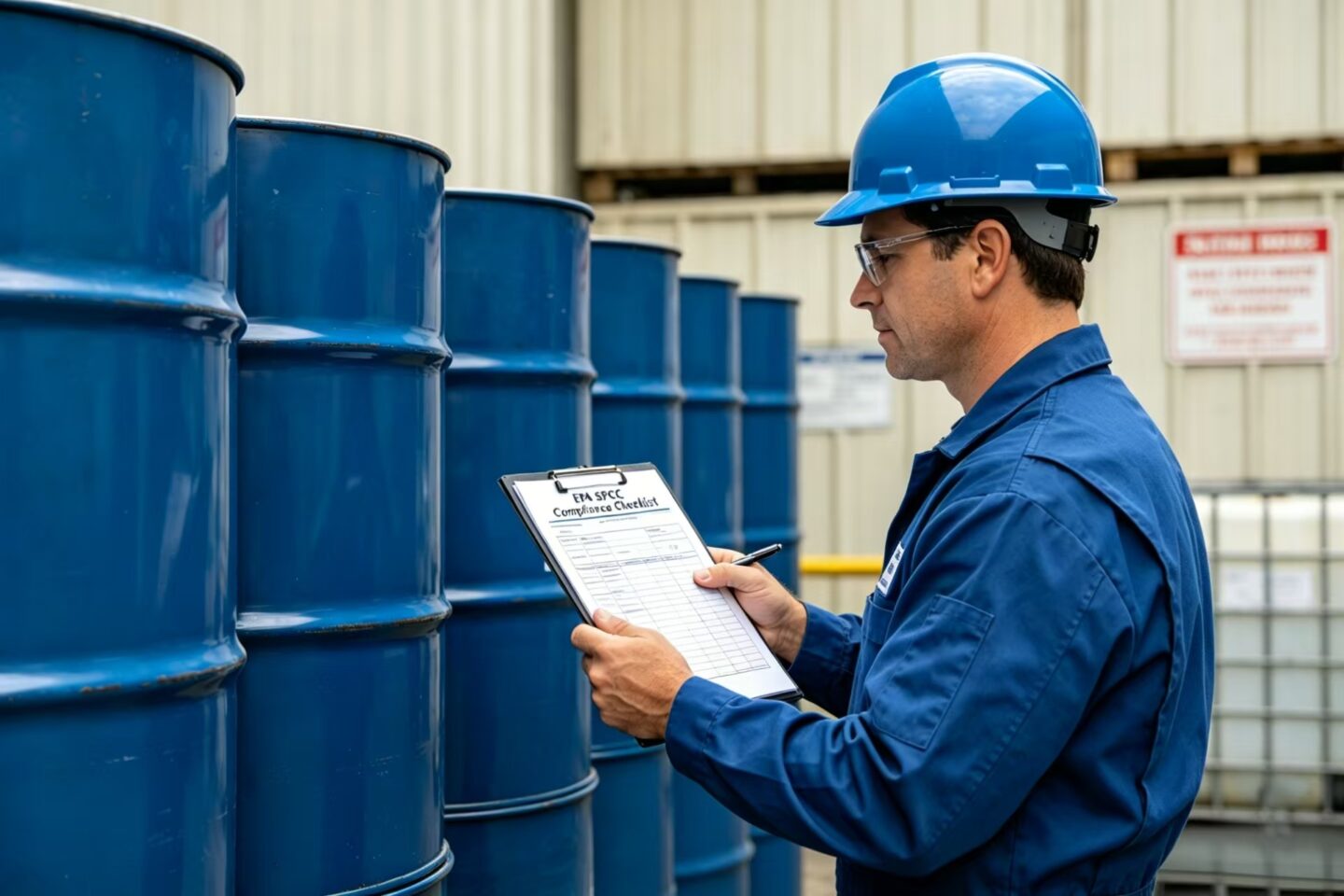
EPA’s SPCC (Spill Prevention, Control, and Countermeasure) rule enforcement has entered a stricter, more aggressive phase in 2026. Triggered by the catastrophic 2025 Smitty’s Supply facility explosion in Louisiana, the EPA launched widespread unannounced enforcement sweeps across its Region 6, marking a significant shift in regulatory oversight. Gone are the days of lenient warning-based inspections—facilities now face rigorous audits, steep financial penalties, and operational shutdowns for even minor SPCC non-compliance issues.
For industrial facilities storing, handling, or transferring oil and hydrocarbon liquids, a standardized 2026 SPCC compliance checklist is no longer optional. It is a critical tool to mitigate regulatory risks, avoid costly violations, and protect both operational continuity and environmental safety. This step-by-step audit guide breaks down all 2026 EPA SPCC mandatory requirements, helping you conduct a full facility self-audit quickly and accurately.
Does EPA SPCC Regulation Apply to Your Facility?
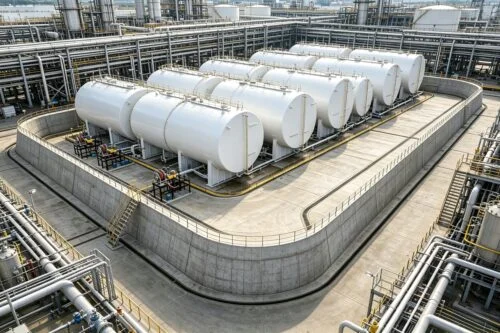
The EPA SPCC framework is a legally binding federal standard under the U.S. Clean Water Act (CWA), not a voluntary safety guideline. It exclusively regulates stationary industrial facilities with oil spill risks, excluding mobile transportation equipment like trucks, railways, and marine vessels. Before conducting on-site audits, you must first confirm whether your facility falls under SPCC jurisdiction via the official EPA applicability criteria.
Before walking your facility floor with a clipboard, you must establish whether your operation falls under federal jurisdiction. The EPA’s Spill Prevention, Control, and Countermeasure (SPCC) framework isn't a generic safety recommendation—it is a strict statutory requirement under the Clean Water Act.
If you are still mapping out complex legal exemptions or looking for the baseline chemical coverage rules, head directly to our comprehensive SPCC Compliance Guide. However, if you just need a rapid, bottom-line assessment to verify if you are legally required to run the field audit below, use the quick qualification checklist below.
The 3-Step SPCC Applicability Fast Check
Use this EPA-endorsed decision framework to verify mandatory SPCC compliance requirements for your facility:
- Industrial Classification: Your facility must be a fixed, non-transportation industrial site engaged in storing, processing, transferring, or handling oil-based substances. Covered materials include gasoline, diesel, industrial lubricants, hydraulic fluids, fuel oil, vegetable oil, animal fat, and all combustible hydrocarbon liquids.
- Volumetric Thresholds: Facilities meeting either threshold are subject to mandatory SPCC plans and audits:
- Aboveground storage: Aggregate capacity exceeds 1,320 gallons (calculated from individual containers of 55 gallons or larger)
- Underground storage: Total buried oil storage capacity exceeds 42,000 gallons
- Environmental Proximity & Risk: Any facility with verifiable potential for oil spills to migrate to U.S. navigable waters, wetlands, or adjacent shorelines must comply with SPCC regulations, regardless of storage volume.
Source: EPA SPCC Applicability Framework
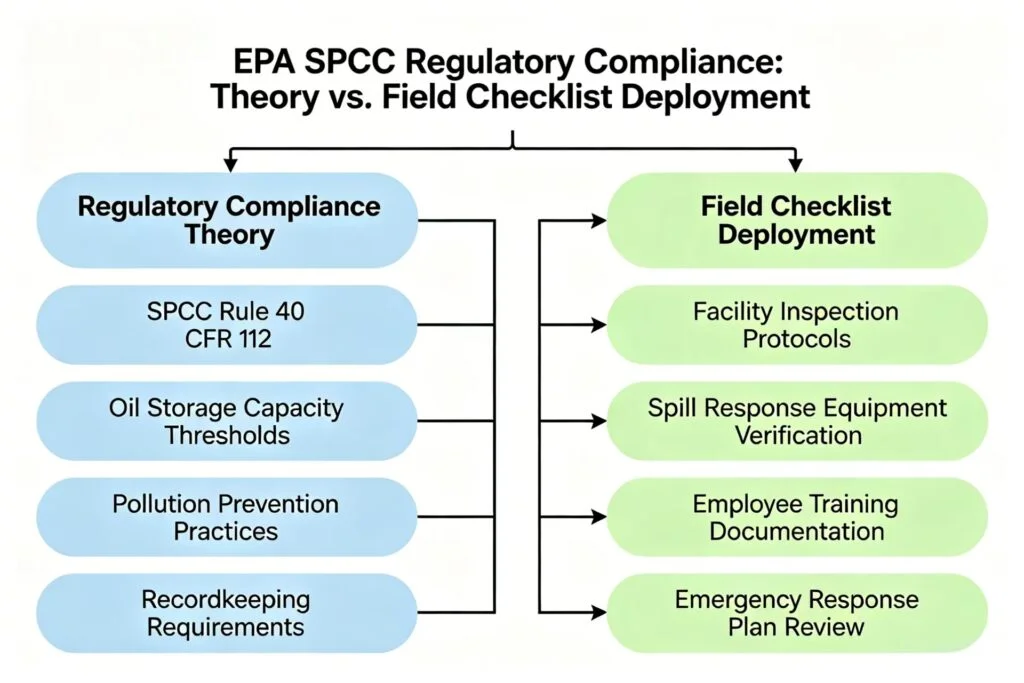
2025–2026 EPA Enforcement Trends and Penalties
EPA SPCC enforcement has undergone a major upgrade over the past two years. Penalties are higher, inspections are more frequent, and lenient resolutions for violations have become extremely rare. Understanding these trends is key to prioritizing your facility’s audit focus.
- Record-High Civil Enforcement Volume: EPA data confirms a sharp rise in SPCC and Clean Water Act enforcement actions. In Q4 2024 alone, 24 facilities were penalized with a total of $724,270 in civil fines. 2025–2026 regional sweeps continue to target mid-sized industrial facilities that were previously underregulated.(Source: EPA FY 2025 Enforcement Results)
- Increased Maximum Civil Penalties: New 2025 federal penalty adjustments have significantly raised the maximum fines for environmental violations. Unfixed SPCC non-compliance now triggers daily accrued fines, while major spill incidents can lead to remediation costs exceeding $10,000 per gallon of spilled oil. (Source: 2025 EPA Penalty Adjustments)
- Fewer Zero-Penalty Resolutions for Serious Violations: The EPA has eliminated most warning-only outcomes for critical SPCC violations, including insufficient secondary containment, missing inspection logs, and outdated SPCC plans. Serious violations now result in mandatory fines, corrective action orders, and formal compliance records that impact long-term business credibility.
The 2026 EPA SPCC Compliance Checklist
Phase 1: Container Inventory and Condition Audit
Physical equipment integrity is the foundation of SPCC compliance. EPA inspectors prioritize container conditions during every on-site audit. Complete this checklist to eliminate structural risks:
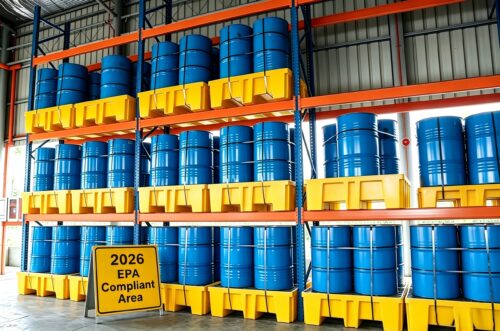
- Build and update a full on-site inventory of all oil storage containers, including drums, IBCs, bulk tanks, and fixed piping systems
- Record exact storage volume, location, and stored material type for every container to verify threshold compliance
- Inspect all containers for cracks, corrosion, leaks, dents, and aging structural damage
- Verify no overfilling risks and confirm functional overfill alarms and automatic shutoff devices
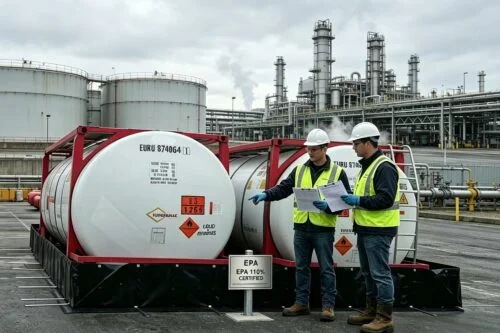
- Ensure all secondary containment structures comply with the EPA 110% capacity rule and outdoor stormwater freeboard standards
- Check containment impermeability to prevent oil leakage before cleanup operations
Phase 2: Inspections and Record Keeping
Incomplete or outdated documentation is the top cause of 2026 SPCC audit failures. The EPA now conducts rigorous reviews of all facility records to verify consistent compliance:
- Follow a fixed routine inspection schedule for all storage zones, containment systems, and oil-handling equipment
- Log every inspection, equipment maintenance, repair, and minor leakage event in standardized records
- Retain all compliance documents for a minimum of 3 years per EPA requirements
- Conduct mandatory 5-year formal SPCC plan reviews, and update the plan immediately if facility layout, storage capacity, or operations change
- Inspect diked area stormwater for oil contamination before drainage and record all drainage activities
- Confirm valid self-certification or professional engineer (PE) certification based on your facility’s violation history
Phase 3: Personnel Training and Site Security
- SPCC compliance is not just equipment-based—it relies on standardized staff awareness and on-site management. Poor training and uncontrolled site access are common hidden violations
- Provide regular SPCC rule and spill response training for all on-site operational and maintenance staff
- Document all training sessions and keep employee training records for inspector review
- Restrict oil storage and transfer zones to fully authorized personnel only
- Post clear safety signs, emergency protocols, and inspection guidelines in all high-risk areas
- Assign dedicated staff responsible for daily containment checks, equipment maintenance, and spill preparedness
Phase 4: Spill Emergency Preparedness
- EPA auditors verify emergency response capability to ensure facilities can control spills before environmental harm occurs. Inadequate preparedness leads to immediate audit failures
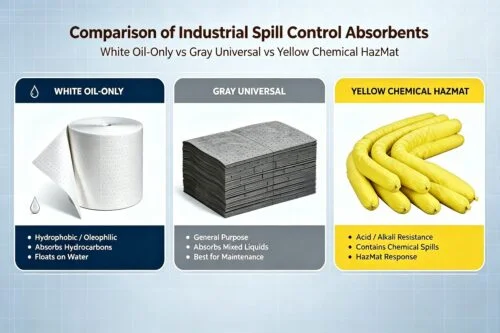
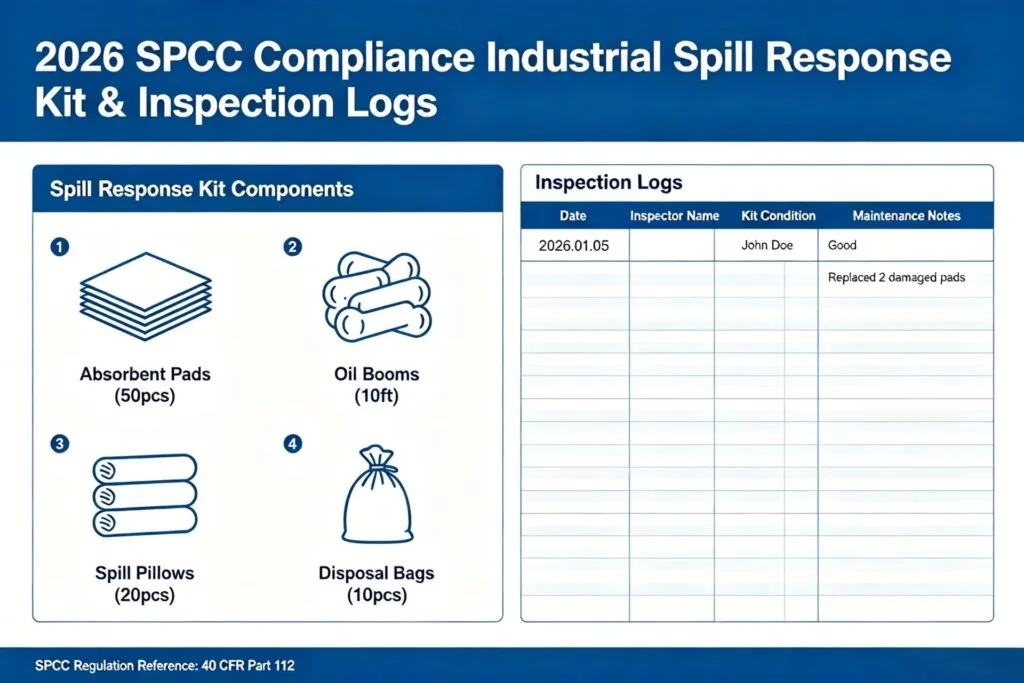
- Keep fully stocked, EPA-compliant spill kits and absorbent materials at accessible locations across all oil storage zones
- Inspect spill response inventory regularly. Restock your industrial spill containment kits immediately if supplies are depleted
- Maintain a site-specific oil spill contingency plan aligned with 40 CFR Part 109 standards
- Document available on-site manpower, cleanup equipment, and emergency materials for rapid spill response
- Conduct routine spill response drills to test team efficiency and protocol familiarity
- Update local emergency contact information and third-party cleanup contractor details
Final Wrap-Up
2026 marks the strictest era of EPA SPCC enforcement in recent history. With unannounced inspections, rising penalties, and zero tolerance for documentation gaps and physical compliance flaws, facilities can no longer rely on outdated safety practices.
This four-phase SPCC compliance checklist covers every critical audit item, from container integrity and record keeping to staff training and emergency readiness. By implementing regular self-audits with this guide, you can eliminate regulatory risks, avoid costly fines and shutdowns, and protect both your facility operations and surrounding environment.
For professional SPCC facility assessments and fully compliant secondary containment solutions tailored to your site, contact our EHS engineering team for a free consultation today.